Plate Nº 75 · recorded October 18, 2026
Biology & EvolutionReported finding
When Humans Vanished, Biodiversity Dropped 40% — Black Death Study
A pollen study of 4,600 samples across Europe found plant diversity fell about 40% where farmland was abandoned after the plague — and recovered only when people returned.
By Nathan Brooks4 min read808 words
In brief
- Biodiversity fell by roughly 40% in landscapes where agriculture declined during the Black Death.
- The study, published March 4 in Ecology Letters, analyzed more than 100 European pollen records covering about 4,600 samples.
- Recovery took about 150 years, tracking population rebound and renewed land use.
- Global biodiversity fell by up to 11% during the 20th century due to human activity.
- The Great Famine struck Europe from 1315 to 1317 before the plague killed over a third of the population.
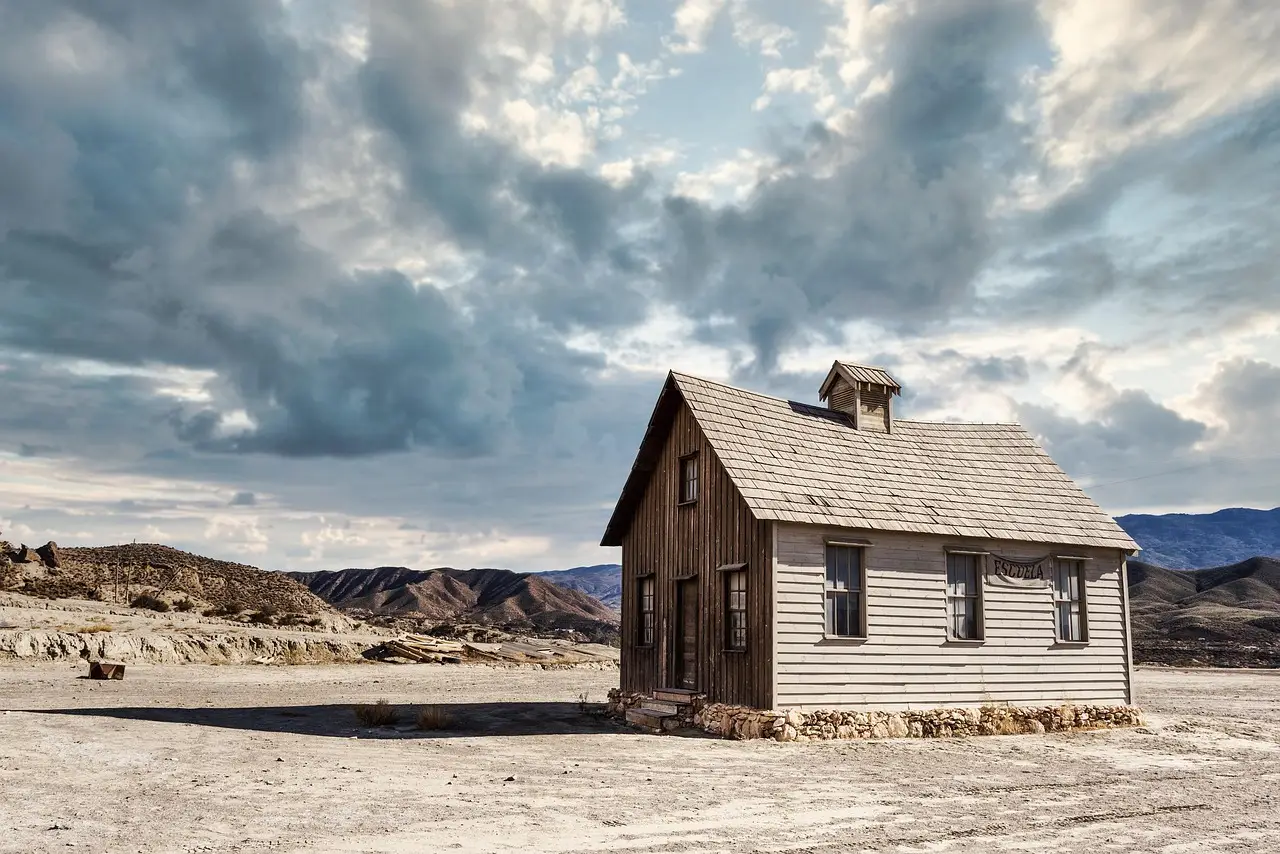
Plant biodiversity dropped by roughly 40% in European landscapes where farming collapsed during the Black Death, according to a study published March 4 in the journal Ecology Letters. The counterintuitive result: when people fled or died and farmland went wild, nature didn't flourish — it lost species.
The analysis, led by Jonathan Gordon, a palaeoecologist at the Leverhulme Centre for Anthropocene Biodiversity at the University of York, compared more than 100 European pollen records containing about 4,600 samples. The sites stretch from the lowlands of France and the uplands of southwest Britain to the Swiss Alps.
And the decline didn't reverse quickly. It took about 150 years. "After about 150 years, as populations started recovering and landscape disturbances started increasing again, biodiversity went up to slightly above the level it was before," Gordon told Live Science.
Why did the plague hurt plants?
The 14th century was brutal for Europe. Cold, wet weather triggered the Great Famine from 1315 to 1317, bringing agricultural failure and starvation. Then bubonic plague, caused by the bacterium Yersinia pestis, killed more than a third of Europe's population. Huge tracts of farmland sat abandoned, and population levels didn't recover until the 16th century.
That makes the era a natural experiment, Gordon said — a rare chance to watch what happens to biodiversity when humans abruptly leave a landscape.
Pollen records act as a botanical archive: they show which plants grew where, and when. Cereal pollen — wheat, barley, rye — marks land under cultivation. The team sorted their data into three categories:
- Places where agricultural production increased
- Places where it decreased
- Places with no evidence of cereal cultivation at all
"We found a decline in biodiversity overall, but the decline overall was driven by those landscapes that declined in agricultural production," Gordon said.
What does that say about medieval farming?
The key is variety. Medieval agriculture wasn't one crop on one field — it was many kinds of farming woven through a landscape that still held "old bits of woodland, you had heaths, you had ponds, and bits of secondary forest," Gordon said. These patchworks, or "mosaics," created more habitats, and more habitats meant more plant species.
"In that landscape, you had lots of natural features that remained from the Middle or Early Holocene," which began after the last Ice Age about 12,000 years ago, he added. "It was all interlaced with these agricultural mosaics, and that led to raised biodiversity."
Outside experts say the study backs a growing body of evidence that human shaping of land can add diversity rather than erase it. Many people assume a "stable and pristine world in which the entry of people has only one result: net loss of species and homogenization," Erle Ellis, an agroecologist at the University of Maryland, Baltimore County who wasn't involved in the research, said by email. "The palaeoecologists have always known the story is far more complicated."
Patrick Roberts, director of the Department of Coevolution of Land Use and Urbanisation at the Max Planck Institute of Geoanthropology, put it this way: rather than "the monoculture, plantations, or uniform changes to landscapes we see in the 20th and 21st centuries, emphasis was placed on maintaining 'mosaics.'"
How does this connect to today's biodiversity crisis?
The contrast with modern farming is stark. Research suggests global biodiversity declined by up to 11% during the 20th century, driven largely by land-use change, pollution and climate change. Monoculture — growing a single crop over a wide area — is a major offender in agriculture.
The study shows "how people can actively use landscapes while maintaining biodiversity and mixed ecosystem functions," Roberts said. In other words, the medieval lesson isn't that humans should leave the land. It's that mixed, varied land use can support more species than either abandonment or monoculture.
What's still unknown?
Plenty, by Gordon's own account. Species count is only one measure. "There are a lot of other types of diversity — not just the number of types, but what the different types present actually do," he said.
A landscape could hold a hundred plant types that all do the same job — what ecologists call low "functional diversity." That matters, because functional diversity underpins how ecosystems cope with climate change and how resilient they stay.
Functional diversity "is super important for how ecosystems adapt to changes in climate and how resilient they are, which is something we need for future-proofing our agricultural system," Gordon said.
The findings are preliminary in one sense: pollen records capture plant presence, not the full ecological picture, and much of Europe's abandonment history remains unstudied. Still, the 40% signal is hard to ignore — and it flips a common assumption on its head. Sometimes, the most biodiverse landscape is the one with people in it, tending a patchwork of fields, woods and ponds.
via doi.org (Original)
More from Nathan Brooks
Show full bio
Market editor covering companies, deals and strategy in general science news at SciBeat.
240 articles
Nearby plates
- Ancient DNA Traces 400 Years of Plague After the Black Death
- Aurochs Went Extinct in Scandinavia Under Multiple Pressures at Once, DNA Shows
- Abandoned for Over a Decade, Farm Field Blooms with Thousands of Orchids
- Drought Now Weakens Even Switzerland's High-Altitude Protective Forests
- Black Pod Pathogen Breeds Across Colombia, Defying Andean Barriers