Plate Nº 43 · recorded October 10, 2026
Biology & EvolutionReported finding
Roads and recreation cut wolverine numbers in Canadian mountains
Fewer than 300 wolverines occupy 81,800 sq km of the Canadian Rockies and Columbia Mountains. Roads and backcountry recreation may cut the population by roughly 30%, a study finds.
By Priya Raman3 min read571 words
In brief
- Fewer than 300 wolverines occupy 81,800 sq km across western Alberta and southeastern BC
- Population could rise about 30% without current road and recreation pressure, the authors estimate
- Study published Sept. 29 in Biological Conservation; DOI 10.1016/j.biocon.2026.112108
- Roads affect females most; females raise only 1–3 kits every few years
- First landscape-scale study to link recreation with lower density in a large carnivore
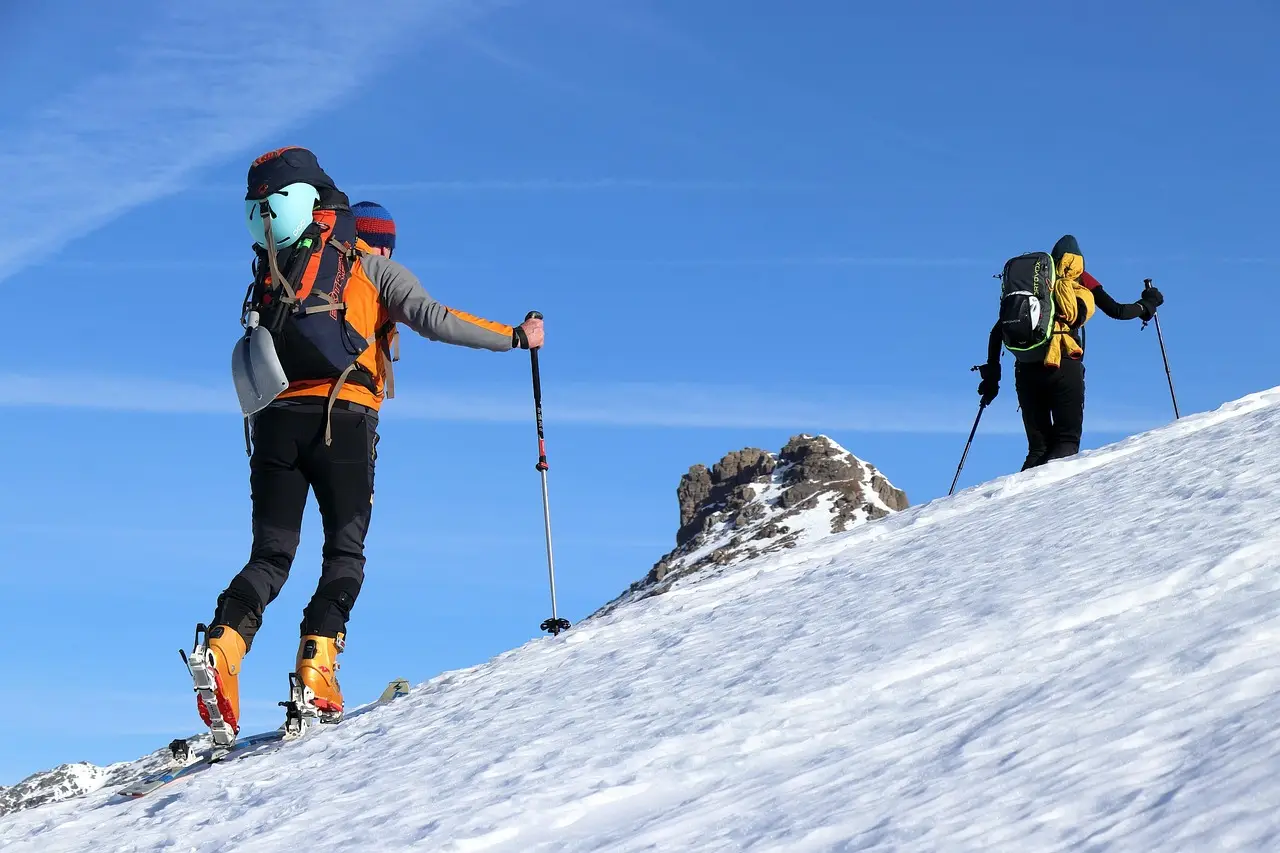
Fewer than 300 wolverines occupy 81,800 square kilometers (31,600 square miles) of the Canadian Rockies and Columbia Mountains. Roads and backcountry recreation explain roughly 30% of that shortfall, according to a study published Sept. 29 in Biological Conservation.
The work, led by Dr. Mirjam Barrueto during her Ph.D. at the University of Calgary, covers one of the largest areas examined for wolverines. It is the first to link recreation with lower density in a large carnivore across an entire landscape.
How large is the effect?
The team compared wolverine numbers against road density and recreation intensity across western Alberta and southeastern British Columbia. The 81,800-square-kilometer study area is one of the largest surveyed for the species, the authors note.
Barrueto said the Upper Columbia region of southeastern BC held especially few animals. Without current road and recreation pressure, the population could rise about 30%, the authors estimate.
What counts as "recreation"?
The team drew on public heat maps from outdoor activity apps. Activities tracked included:
- Backcountry skiing, including heli-skiing and cat-skiing
- Cross-country skiing on trails
- Hiking in summer and winter
Snowmobiling was not part of the recreation dataset. Barrueto says road density likely captures that activity indirectly.
Why do females matter most?
Wolverines reproduce slowly. Females raise just one to three kits every few years, so adult females drive population recovery. Roads hit females hardest, the team found, amplifying the population risk.
Barrueto said the recreation result caught her off guard.
"I was a bit surprised by the impact of recreation, to be honest," she said.
What does the study recommend?
The paper lists five actions for land managers:
- Keep roadless areas intact
- Preserve low-density road zones
- Protect high-quality, low-disturbance wolverine habitat
- Limit recreation in reproductive areas
- Plan trails and access with wolverines in mind
What changes from earlier work?
Past research showed wolverines avoid busy areas. The new analysis ties both roads and recreation directly to how many animals live in a region, not just where they roam. That makes the findings a measure of population health, not only habitat use, Barrueto explained.
Who else contributed?
Co-authors include Barrueto's supervisor Dr. Marco Musiani, an adjunct professor in the Faculty of Science at UCalgary, plus scientists from Parks Canada, the Nature Conservancy of Canada, and Montana State University.
What gives conservationists hope?
Co-author Dr. Aerin Jacob, director of science and research and Weston Family senior scientist at the Nature Conservancy of Canada, sees actionable findings.
"Our findings are stark," Jacob said. "What gives me hope is that this gives us something to act on, at every level. Whether that's deciding about building trails, protecting and restoring habitat, or working to prevent and reduce impacts."
She pointed to trail planning, habitat restoration, and impact reduction as concrete steps, adding that such collaboration is what effective conservation actually looks like.
Why wolverines need quiet terrain
Wolverines depend on cold, snowy alpine habitat that doubles as prime recreation ground. Slow reproduction leaves populations vulnerable to sustained disturbance, especially when females avoid busy areas.
"Do we want to have a landscape with just deer and coyotes?" Barrueto asked. "Or do we want to have a landscape that has space for wild things?"
The paper, "Sharing the snow—outdoor recreation and roads reduce the density of a rare carnivore," appears in Biological Conservation. DOI: 10.1016/j.biocon.2026.112108.
via Phys.org Biology (Source)
More from Priya Raman
Show full bio
Senior reporter covering people, launches and day-to-day practice in general science news at SciBeat.
247 articles
Nearby plates
- Largest-Ever Jaguar Study Maps How Populations Connect Across Americas
- Tracking 4,581 Animals Reveals a Hidden Human Effect on Wildlife
- The American "Cheetah" Wasn't a Cheetah at All
- 1.4-Million-Year-Old Footprints Reveal Larger Paranthropus Than Expected
- Zoos Rarely Rearrange Collections When Species Risk Shifts