Plate Nº 60 · recorded October 10, 2026
Space & AstronomyReported finding
NASA Tests CubeSat with Single-Fuel Dual Propulsion System
NASA's ASCENT CubeSat passed ground tests ahead of an Oct. 1 launch. The shoebox-sized satellite will demonstrate a single-tank, two-engine propulsion system over nine months in orbit.
By Marcus Bennett3 min read544 words
In brief
- NASA finished environmental and physical tests on the ASCENT Dual Mode CubeSat at Marshall Space Flight Center in Huntsville, Alabama.
- The mission is scheduled to launch no earlier than October 1 aboard a SpaceX Falcon 9 from Vandenberg Space Force Base in California.
- The shoebox-sized spacecraft will deploy at about 325 miles (520 kilometers) altitude and run a nine-month mission.
- The propulsion system uses a single non-toxic ASCENT propellant to feed both a high-thrust combustion engine and low-thrust electrospray thrusters.
- Partners include MIT, Plasma Processes, and the Georgia Institute of Technology.
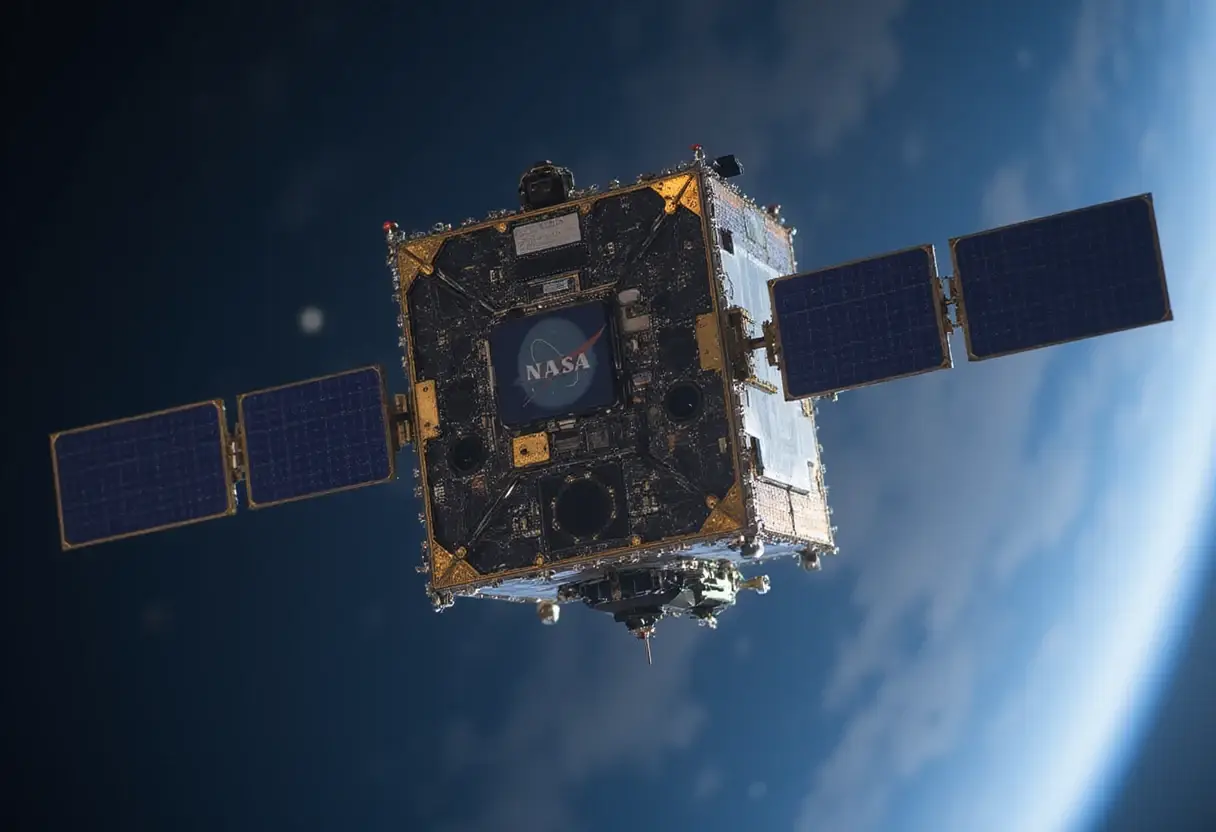
NASA engineers have finished environmental and physical tests on a shoebox-sized CubeSat that runs two engine types from one non-toxic fuel tank. The spacecraft will launch no earlier than October 1 aboard a SpaceX Falcon 9 from Vandenberg Space Force Base in California.
The mission, called the ASCENT (Advanced Spacecraft Energetic Non-Toxic) Propulsion Dual Mode demonstration, is managed by NASA's Marshall Space Flight Center in Huntsville, Alabama. The propellant shares the ASCENT name.
What makes the propulsion system unusual?
Most spacecraft carry two separate propulsion systems. A high-thrust chemical engine handles rapid maneuvers like orbit insertion. A low-thrust electric system handles slow, efficient tasks like position-keeping. Each requires its own fuel tank and plumbing, which add weight and consume volume inside the satellite.
The ASCENT mission replaces that arrangement with one tank feeding both engine types using a single non-toxic propellant. The design could free mass for scientific instruments and let missions launch on smaller, less expensive rockets.
What ground tests did the spacecraft pass?
Before flight, engineers at Marshall's Small Spacecraft Servicing and Integration Lab ran three key tests on the flight hardware.
- Pressurized helium leak test inside a vacuum chamber, which verified the integrity of the unified propulsion system. Because the system uses a single tank to feed two thruster types, sealed fuel lines and valves are critical to safety and success.
- Thermal vacuum testing, which placed the spacecraft in a chamber mimicking the airless environment and temperature swings of low Earth orbit. The goal: confirm electronics, thrusters, and mechanical parts will function normally in space.
- Spin test to measure mass properties and center of gravity, confirming the satellite can fly stably and point its solar panels and antennas correctly.
Who built the spacecraft?
The project pulls together institutions across the country. NASA Marshall manages the mission. MIT developed the electrospray thrusters, the low-thrust electric engines that use electric fields to push out propellant. Plasma Processes built the chemical propulsion module. The Georgia Institute of Technology integrated the spacecraft bus, the structural frame that carries the satellite's electronics and payloads.
"There are a lot of odds and ends, and a lot of small challenges and some big ones," said Nehemiah Williams, the demonstration's project manager at NASA Marshall. "But ensuring the functionality of the propulsion system across all these different teams is what makes the mission successful."
What will the mission do in orbit?
After deployment at roughly 325 miles (520 kilometers) altitude, the spacecraft will begin a nine-month mission. The first stage is a checkout period, during which engineers verify the satellite's overall health and communication links.
The operations team will then run short chemical and electric maneuvers to confirm both engine types work. If those initial tests succeed, the spacecraft will spend the remaining months alternating between orbit-raising and orbit-lowering burns, switching between the high-thrust combustion engine and the low-thrust electrospray thrusters to prove the dual-mode concept in space.
What's next?
The team will complete final system checks, integrate the solar arrays, and ship the hardware to its launch destination. Results from this flight demonstration could shape how engineers design future small satellites, where every kilogram and cubic centimeter matters.
via Phys.org Space & Astronomy (Source)
More from Marcus Bennett
Show full bio
News editor covering regulation, policy and their impact on general science news at SciBeat.
261 articles
Nearby plates
- Starship Reaches Orbit for the First Time and Deploys 26 Starlink Satellites
- NASA Turns Space Trash Into a Heat Shield Test Flight
- SpaceX Aims for First Starship Orbital Flight on 14th Test
- Griffin-1 Lander Passes JPL Stress Tests Ahead of Moon Launch
- Crew-13 Launches: Four Astronauts Head to Space Station