Plate Nº 50 · recorded October 18, 2026
Health & Medicine ResearchReported finding
Cambridge tests 39 sweeteners against gut bacteria — and finds surprises
Cambridge scientists tested 39 sweeteners against 25 gut bacteria and found about 29 altered bacterial growth. Sweetener-drug combos produced 100-plus changed effects, with isosteviol plus duloxetine hitting hardest.
By Nathan Brooks3 min read578 words
In brief
- About 29 of 39 sweeteners altered at least one gut bacterium in laboratory tests
- Sweetener-plus-substance combinations produced 100-plus altered effects — 34 intensified, 68 weakened
- Isosteviol paired with duloxetine suppressed Roseburia intestinalis and Parabacteroides merdae
- Study published October 17, 2026 in Molecular Systems Biology
- About 4.2 million U.S. patients filled duloxetine prescriptions in 2023
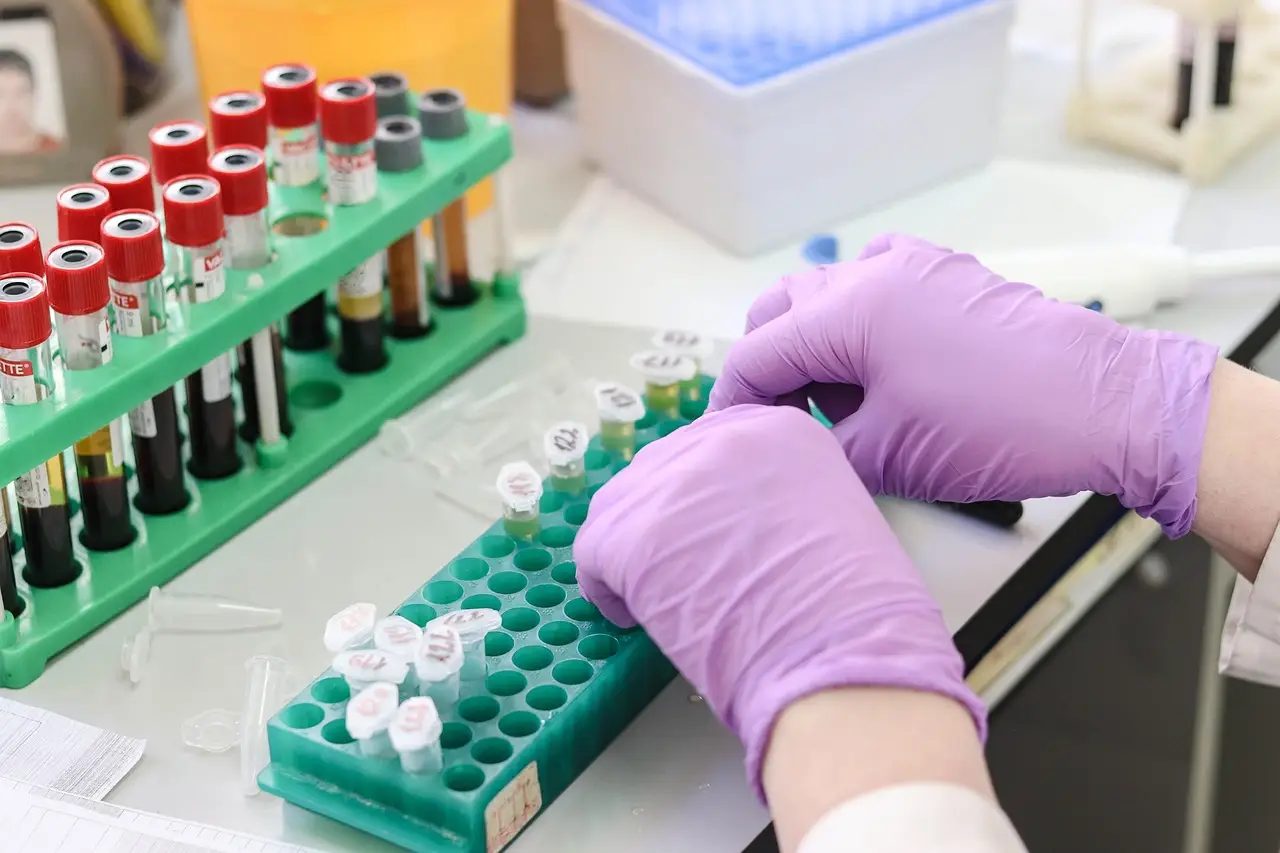
About three out of every four low-calorie sweeteners — 29 of 39 tested — altered the growth of at least one gut bacterium in new laboratory work at the University of Cambridge, published October 17 in Molecular Systems Biology.
The same team also recorded more than 100 cases in which a sweetener's effect on bacteria flipped or shifted when paired with caffeine, vanilla extract, an artificial sweetener, or one of eight common drugs.
Sweeteners show up in soft drinks, candy, snacks, and breakfast cereals. They've long been pitched as healthier alternatives to sugar, but earlier observational studies have linked them to type 2 diabetes, obesity, and cancer — without proving the sweeteners actually cause those conditions.
What's really happening inside that diet drink?
The Cambridge group tested 39 commercially available sweeteners against 25 species of gut bacteria grown in isolation, watching whether each species kept multiplying normally after exposure.
The roughly 75% hit rate caught them off guard. Several beneficial species slowed or stopped growing entirely. Different sweeteners hit different bugs, meaning the ingredients don't act as a single category.
"Most of what we know about the potential impact of sweeteners on our health comes from animal research or from population studies," said Professor Kiran Patil of the MRC Toxicology Unit, the study's senior author. "While these studies have indicated involvement of the microbiome in mediating the effect of sweeteners, it's difficult to know how sweeteners act in the body — is it through direct interactions with our gut bacteria?"
Why mix sweeteners with drugs?
Because nobody takes them alone. The Cambridge mixers added caffeine, vanillin, advantame, and eight widely used medications. Out of 100-plus altered interactions, 34 intensified bacterial effects while 68 weakened them.
One pairing hit hardest. The sweetener isosteviol, combined with the antidepressant duloxetine, strongly suppressed two gut bacteria — Roseburia intestinalis and Parabacteroides merdae — both tied to digestive health and blood sugar control. About 4.2 million U.S. patients filled duloxetine prescriptions in 2023.
In a simulated 25-species gut community, the same pairing reduced overall microbial diversity and increased toxicity toward some host cells. Cells tied to inflammation and immune responses also shifted behavior.
Should you stop using sweeteners?
The researchers themselves say no. Every experiment ran in lab dishes or simplified microbial communities, not in actual human guts, which house thousands of microbial species plus immune and metabolic factors the Cambridge setup could not capture.
Still, the work directly challenges the idea that sweeteners are biologically inert. "Sweeteners are often marketed as metabolically neutral, but our study challenges this idea," Dr. Blasche said. "We found that they can directly affect gut bacteria, particularly when mixed with other compounds such as medication and food additives. These common combinations could have unintended effects on our gut microbiome."
Put differently: the marketing promise that sweeteners "do nothing" beyond sweetening just lost a chunk of its foundation.
What's next?
The findings point researchers toward combination effects, not sweetener bans. Patil's group plans follow-up work to see whether the lab signals hold in animals or humans. Funding came from the EU's Horizon 2020 program and the UK Medical Research Council.
For anyone reading over breakfast: nothing changes about today's sweetener packet — the science hasn't caught up to the supermarket shelf yet. The study marks the first systematic map of sweetener-plus-drug interactions in gut microbes, drawn on a road that didn't exist a year ago.
via dx.doi.org (Original)
More from Nathan Brooks
Show full bio
Market editor covering companies, deals and strategy in general science news at SciBeat.
240 articles
Nearby plates
- Sugar May Amplify the Gut Damage Antibiotics Cause
- Two-Year Trial Finds Diet Drinks Match Water for Weight Management
- Skipping Sweets During Antibiotic Treatment May Protect Gut Microbiome
- Identical Labels, Different Bodies: Processing Alone Changes Metabolism
- Dairy Trans Fats Don't Raise Heart or Diabetes Risk, 22-Study Review Finds